
Maximizing Efficiency Through Retrofit HVAC Upgrades: A Smart Move for Industrial & Commercial Facilities
- Grant Vidrine
- Jul 11, 2025
- 3 min read

In today’s competitive market, facility managers are under increasing pressure to cut costs, improve reliability, and meet sustainability demands. When aging HVAC systems start underperforming, a full replacement may seem like the only solution. But what about HVAC retrofit upgrades—strategic enhancements to existing systems that boost efficiency, cut pollution, and extend lifespan? At IPS Mechanical, retrofit services can revitalize performance without the disruption and expense of full system replacement.
1. What Exactly Is an HVAC Retrofit?
An HVAC retrofit involves updating components of an existing heating, ventilation, and air-conditioning system—while preserving much of its core infrastructure. Retrofit projects can include installing high-efficiency compressors, adding variable-speed drives, upgrading controls, swapping in better filters, or optimizing ductwork.
Benefits of this approach:
Lower capital outlay than a full system replacement
Faster implementation with minimal operational disruption
Opportunity to incorporate the latest smart controls and IoT monitoring
Enhanced sustainability without massive demolition or reinstallation
2. Key Retrofit Strategies for Maximum ROI
Here are proven retrofit strategies that deliver quick, measurable results:
a) Advanced Controls & BAS IntegrationUpgrading to a Building Automation System (BAS) or adding intelligent thermostats enables real-time tracking and dynamic HVAC operation—adjusting temperatures, airflow, and system use based on occupancy and conditions.
b) Variable-Speed Drives (VSDs)Installing VSDs on air handlers and pumps allows equipment to ramp up or down as needed, improving efficiency by up to 30% and significantly reducing peak electrical demand.
c) High-Efficiency Compressors & CoilsReplacing aging components with ENERGY STAR-rated equivalents can cut energy consumption by 20–40%, especially in chillers and rooftop units.
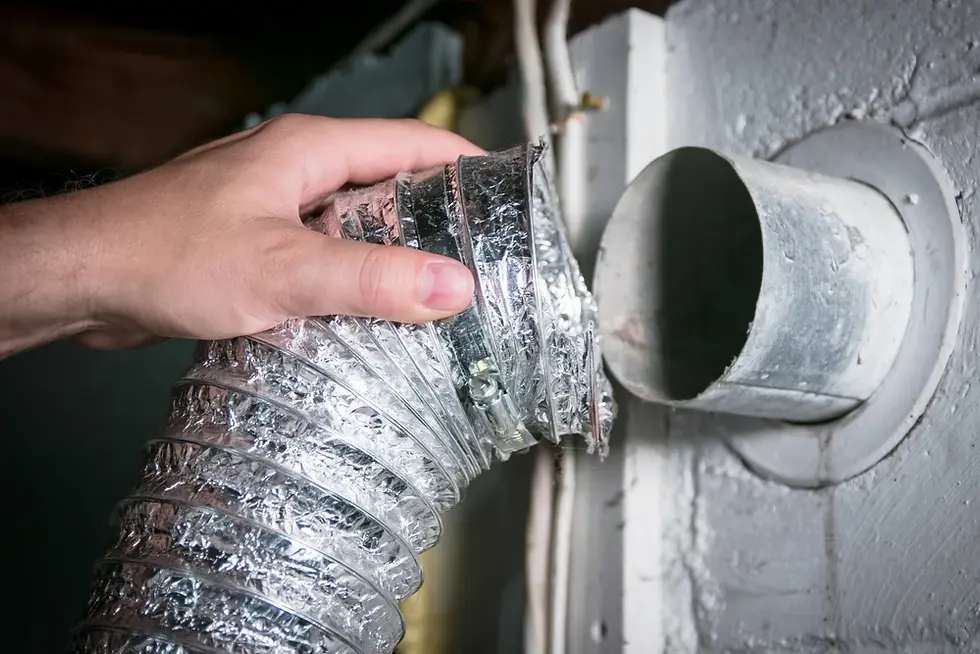
d) Ductwork OptimizationProfessional retrofits often involve sealing leaks and improving duct routing. This ensures more conditioned air reaches its destination—enhancing comfort and reducing wasted energy.
e) Filter Upgrades & IAQ ImprovementsSwitching to high-efficiency pleated filters—or installing media filtration—enhances indoor air quality, protects HVAC equipment, and improves long-term performance with minimal effort.
3. Real-World Success: A Case from IPS Mechanical
Consider a mid‑size manufacturing facility in Ohio with a 15‑year‑old rooftop HVAC system. Temperatures were uneven, breakdowns common, and energy costs rising year-over-year.
IPS Mechanical proposed a four-phase retrofit plan:
Install VSDs on air handlers
Add differential-pressure sensors and connect to BAS
Replace coils and install modern filtration
Seal ducts and rebalance airflow
Results included:
35% reduction in HVAC energy use
Improved thermal consistency, eliminating hot/cold zones
Maintenance costs cut 25% thanks to fewer breakdowns
Payback period of under 2 years on retrofit investment
4. Sustainability: Retrofit = Climate Action
As pressure mounts to reduce greenhouse gas emissions, retrofits offer a shortcut to sustainability:
Lower energy use = lower CO₂ emissions
Avoiding full replacement reduces material waste
Many regions offer incentives—utility rebates or tax credits—for efficiency upgrades
IPS Mechanical helps facilities tap these incentives, leveraging expertise to maximize rebates from electricity providers like AEP Ohio or FirstEnergy.
5. Retrofit vs. Replace: Making the Smart Choice
Factor | Retrofit Upgrade | Full System Replacement |
Cost | 30–60% less upfront than replacement | High capital cost; longer ROI |
Disruption | Minimal downtime; work phased over nights/weekends | Extensive downtime; demolition + installation |
Speed | 2–6 weeks typical timeframe | 2–4+ months |
Flexibility | Targeted solutions based on data and observed needs | New systems may oversize or undersize |
Sustainability | Boosts performance, avoids system scrappage | High embodied carbon, significant waste |
All signs favor strategic retrofits—especially when systems are relatively modern, well-maintained, and exhibiting inefficiency rather than failure.
6. Choosing the Right Retrofit Partner
A successful retrofit hinges on a partner with:
Diagnostics expertise: using thermal imaging, metering, BAS data
Sheet metal and duct fabrication: IPS offers in-house sheet metal capabilities for custom solutions
OSHA-trained technicians: ensuring safe, compliant installation
Expertise in controls integration and 24/7 support
IPS Mechanical checks all these boxes, combining industrial-grade capability with broad mechanical service.
7. Preventive Maintenance: The Perfect Retrofit Companion
Retrofits deliver immediate efficiency gains—but long-term success requires proactive maintenance. IPS Mechanical offers 24/7 service and preventive maintenance plans that include:
Regular coil cleaning
Filter replacements and airflow balancing
VSD calibration
BAS health and software updates
Pairing retrofit and maintenance ensures continued performance gains and longer equipment life.
Conclusion: Retrofit Today for a Smarter Tomorrow
For many facilities, upgrading to a modern HVAC retrofit is the most efficient path forward. The results? Lower utility bills, enhanced indoor comfort, reduced emissions, and minimized downtime—without the cost and complexity of a full HVAC overhaul.
IPS Mechanical’s retrofit solutions offer a high-impact, value-driven approach tailored to each facility’s unique needs—whether it’s a factory, school, hospital, or commercial building.
Ready to Unlock Greater Efficiency?
If your facility's HVAC system is over 10 years old—or you're seeing inconsistent performance, high energy costs, or frequent repairs—it’s time to explore a retrofit upgrade.
Contact IPS Mechanical today for a customized energy audit and retrofit roadmap.


Comments